

Until just a few years ago, the word “Internet” primarily brought to mind computers and smartphones. Today, however, watches, refrigerators, traffic lights, and even industrial sensors are connected to the global network. The Internet of Things (IoT) refers to a network of physical objects embedded with sensors, software, and communication technologies to exchange data with other devices and systems over the internet.
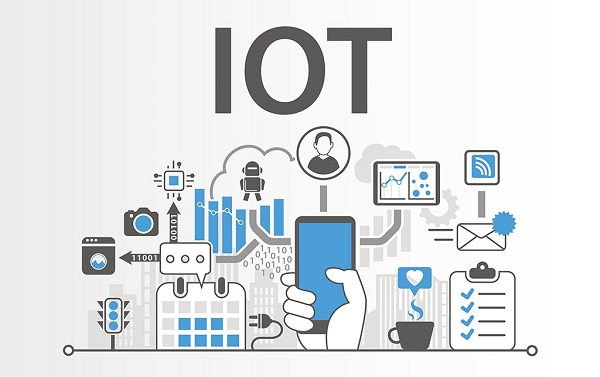
Functional Layers of IoT Systems
A true IoT system is more than just a Wi-Fi-connected gadget; it consists of four essential layers:
1. Sensors/Devices: Collecting data from the environment (e.g., room temperature or a patient’s heart rate).
2. Connectivity: Sending data to the Cloud via Bluetooth, Wi-Fi, 5G, or satellite.
3. Data Processing: Analyzing raw data (e.g., determining if a refrigerator’s temperature has risen above a safe threshold).
4. User Interface: Displaying information to the user and allowing device control (e.g., via a mobile app).
Real-World Applications
IoT technology is fundamentally transforming various industries:
* Smart Home: Thermostats that adjust based on your presence and smart locks that can be controlled remotely.
* Smart Healthcare (IoMT): Wearable gadgets that transmit a patient’s vital signs to doctors in real-time.
* Smart City: Traffic management systems and smart waste bins that signal when they need to be emptied.
* Smart Agriculture: Soil sensors that inform farmers exactly when irrigation is needed, saving water and resources.
Challenges: Security and Privacy
The biggest hurdle in the expansion of IoT is security. Every connected device can serve as an “entry point” for cyber threats.
* Privacy: The massive volume of data collected from personal lives requires stringent data protection laws.
* Standardization: Devices from different manufacturers need a common “language” to communicate seamlessly.
Conclusion
The Internet of Things is no longer a futuristic concept; it is the fabric of modern life. With the advancement of communication technologies like 5G and Direct-to-Cell, geographical barriers are vanishing. Soon, billions of new devices will join this network, promising a more efficient, automated, and intelligent world.
References & Further Reading
- IEEE Xplore: *Internet of Things: Architecture, Protocols, and Applications.
- Oracle Research: *What is IoT? Everything you need to know.
- Forbes Tech: *The Future of Industrial IoT in 2025.